
HWAINTEK Attends Academician’s Special Lecture to Accelerate Industrialization of Chip-Level Embodied Intelligence Solutions
Recently, Academician Chen Xuedong delivered a special presentation on embodied intelligence and robotics, systematically reviewing the industry's evolution and analyzing core underlying technologies. HWAINTEK sent its R&D and strategy teams to attend the full session, consolidating the theoretical foundation for the company’s core strategy of providing chip-level embodied intelligence solutions and fueling technical upgrades for high-end semiconductor and bioengineering equipment.
Industry Evolution Validates HWAINTEK’s Forward-looking Layout
The academician outlined five developmental phases of embodied intelligence along a timeline: starting with the integration of intelligence and physical hardware in the 1950s, followed by situational embodiment in the 1980s, behavioral intelligence in the 1990s, autonomous environmental exploration in the 2010s, and human-like adaptive decision-making from the 2020s to the present. He stated that the sector is now entering a prime window for industrialization.
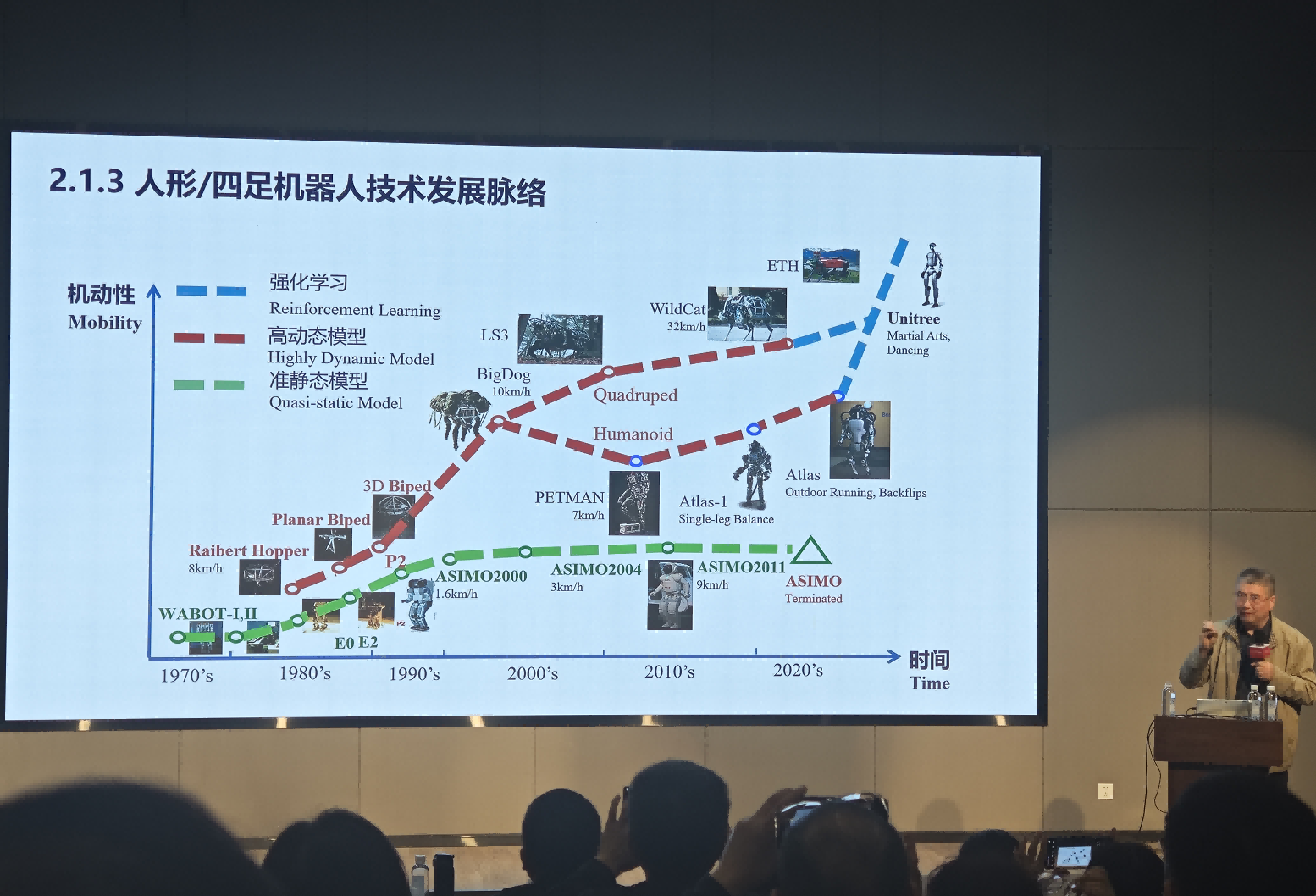
As a core commanding height of intelligent manufacturing, embodied intelligence aligns perfectly with HWAINTEK’s roadmap focused on underlying chip-level solutions, reaffirming the company’s forward-thinking strategic positioning.
Two Core Technologies Align with HWAINTEK’s R&D Priorities
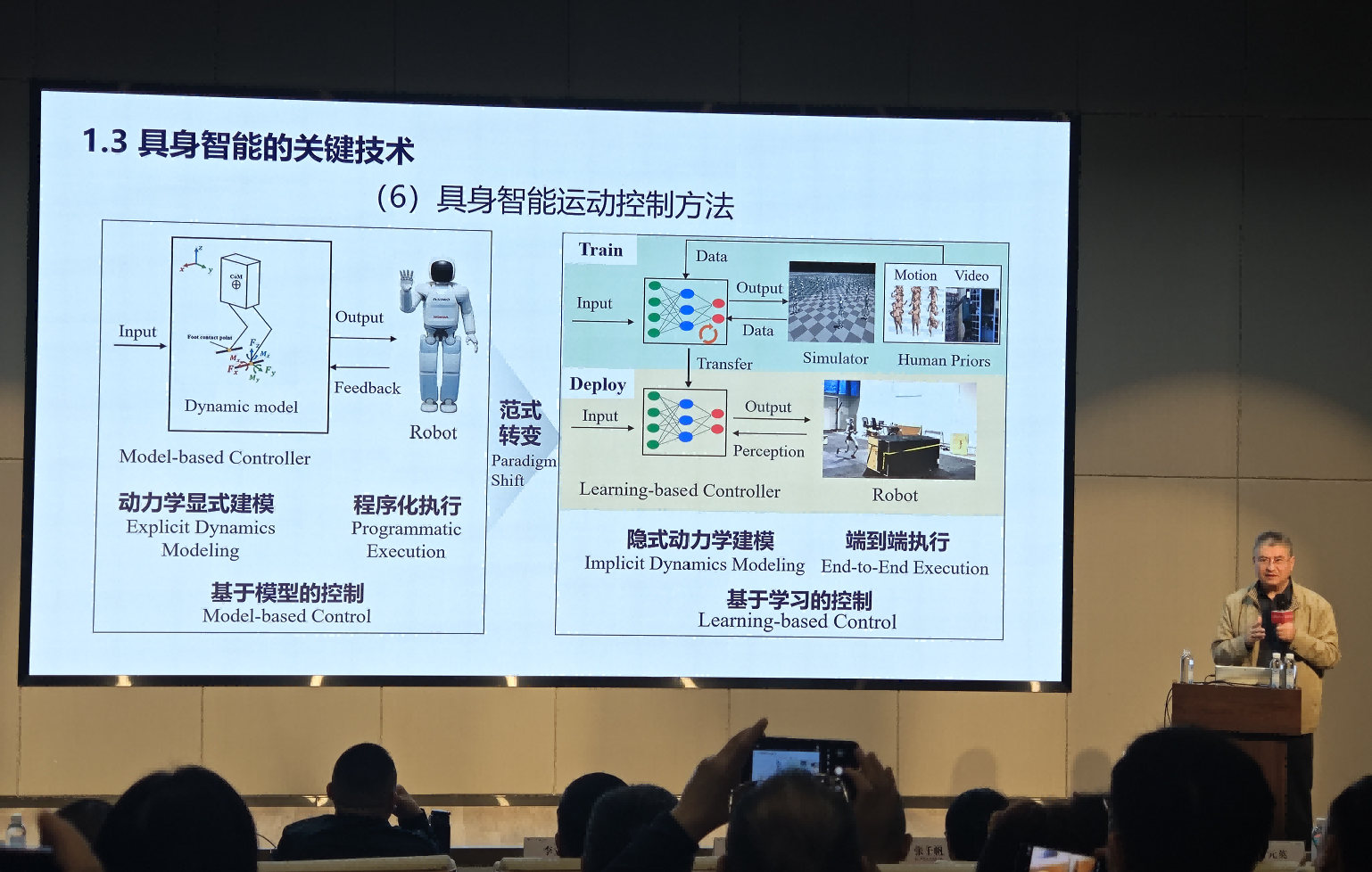
The lecture highlighted two pivotal technologies enabling robotic commercialization, which deeply match HWAINTEK’s full-stack technical layout:
Humanoid Multimodal PerceptionReplicating human five senses (vision, hearing, tactile, olfactory, gustatory) lays the groundwork for flexible precision robotic operations. HWAINTEK HM series controllers integrate multi-channel vision, tactile and audio acquisition modules, suited for inspection and precision handling of delicate workpieces such as semiconductor wafers and biopharmaceutical vessels.
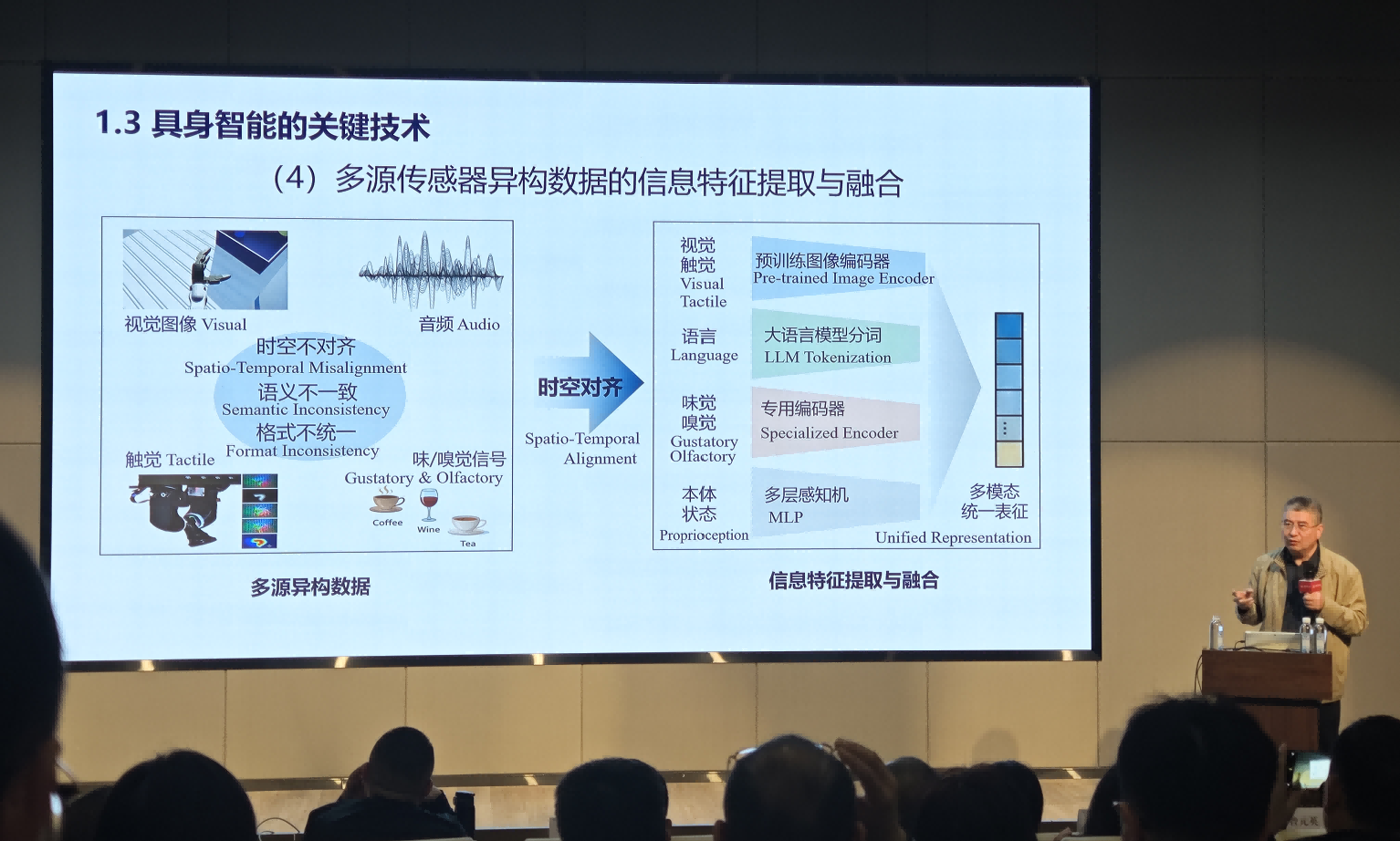
Fusion of Multi-source Heterogeneous Sensor DataAddressing the industry-wide pain point of misaligned timelines and inconsistent formats across multi-sensor data, the academician illustrated a complete processing pipeline: spatio-temporal alignment, modal feature extraction, and unified representation for autonomous decision-making. Leveraging self-developed underlying chips, HWAINTEK resolves latency and synchronization issues of multi-sensor fusion at the hardware layer, boosting equipment precision and operational stability.
Industry-Academia Collaboration Speeds Up Commercialization of Cutting-edge Technology
Blending academic theory with industrial practice, the lecture enabled HWAINTEK's R&D team to exchange on-site production-line challenges with the academician's research group. The company previously completed industry-academia exchanges with Huazhong University of Science and Technology, and this session further optimizes the innovation loop linking academic research and industrial commercialization.
Moving forward, HWAINTEK will keep focusing on full-stack R&D of embodied intelligence. Drawing on strengths in self-designed underlying chips and multimodal perception fusion algorithms, the firm will iterate integrated intelligent control devices for semiconductors and bioengineering. It will cooperate with research institutions to develop benchmark intelligent manufacturing solutions and strengthen the global competitiveness of China’s embodied intelligent equipment.